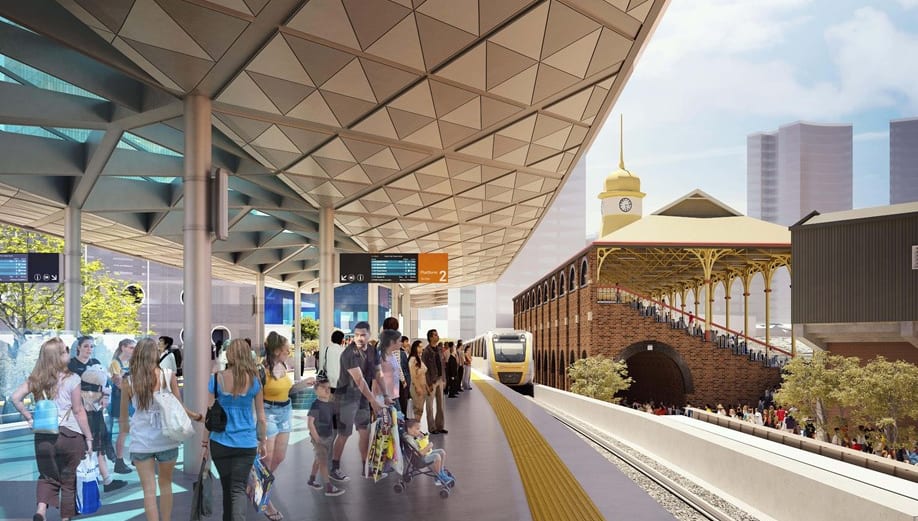
Major transport infrastructure projects are reshaping the way people live, commute, and invest across Brisbane and surrounding regions like Moreton Bay.
With projects such as Cross River Rail, major road upgrades, and expanded public transport links, many buyers are asking the same question:
Is living near Brisbane’s new transport corridors a smart move — or a compromise?
Let’s break down the real pros and cons so you can decide what’s right for your lifestyle or investment goals.
What Are Brisbane’s New Transport Corridors?
Brisbane’s transport corridors refer to major upgrades and new infrastructure designed to improve connectivity, reduce congestion, and support population growth.
These include:
- New and upgraded train lines and stations
- Busway extensions
- Major road and motorway upgrades
- Active transport corridors (walking and cycling paths)
Suburbs located close to these corridors are often among the fastest-changing areas in the market.
✅ The Pros of Living Near Transport Corridors
- Easier Commutes & Better Connectivity
One of the biggest advantages is reduced travel time.
- Faster access to the Brisbane CBD
- Improved connections to employment hubs
- Greater flexibility for work, school, and lifestyle travel
For many buyers, proximity to transport is now a non-negotiable.
- Strong Buyer & Tenant Demand
Homes near reliable transport options often attract:
- First-home buyers
- Young professionals
- Downsizers
- Renters seeking convenience
This consistent demand can help support long-term property value and rental appeal.
- Potential for Capital Growth
Historically, infrastructure investment has acted as a catalyst for price growth, particularly when combined with:
- Population growth
- Improved amenities
- Urban renewal
Suburbs near new transport corridors often see increased attention from both owner-occupiers and investors.
- Lifestyle Convenience
Living near transport corridors often brings:
- New cafés, retail, and services
- Improved public spaces
- Better walkability and cycle access
These lifestyle upgrades can significantly enhance day-to-day living.
⚠️ The Cons to Consider
- Noise & Traffic Impacts
Proximity to major roads or rail lines can mean:
- Increased traffic noise
- Higher vehicle movement during peak times
This impact varies greatly depending on street positioning, buffers, and design — not all nearby homes are affected equally.
- Construction Disruption (Short-Term)
Infrastructure projects can involve:
- Roadworks
- Detours
- Temporary noise and dust
While typically temporary, this can be frustrating for residents during construction phases.
- Price Premiums in High-Demand Pockets
As demand increases, some transport-adjacent suburbs experience:
- Higher entry prices
- Increased competition
This makes local knowledge essential to avoid overpaying for location alone.
- Not All Properties Benefit Equally
Being “near transport” doesn’t automatically mean better value.
Factors such as:
- Exact distance to stations or corridors
- Noise exposure
- Property orientation
- Zoning and future development
…all influence whether a property truly benefits from nearby infrastructure.
Is It a Smart Choice for You?
Living near Brisbane’s transport corridors can be a significant advantage, but it’s not one-size-fits-all.
It may suit you if:
✔ You value convenience and connectivity
✔ You want strong resale or rental appeal
✔ You’re thinking long-term rather than short-term
It may not be ideal if:
✖ Peace and quiet are your top priority
✖ You’re sensitive to traffic or construction disruption
Local Insight Makes the Difference
The key is understanding which streets, pockets, and property types truly benefit — and which ones don’t.
Some homes gain all the upside with minimal downside, while others experience the drawbacks without the full value uplift.
Thinking of Buying or Selling Near a Transport Corridor?
If you’re considering buying, selling, or investing near Brisbane’s new transport corridors, suburb-level advice is critical.
At Eaton & Ascot Real Estate, we provide tailored insights based on:
- Specific infrastructure projects
- Street-by-street impacts
- Buyer demand trends
📞 Get in touch for expert local advice and a personalised property assessment.