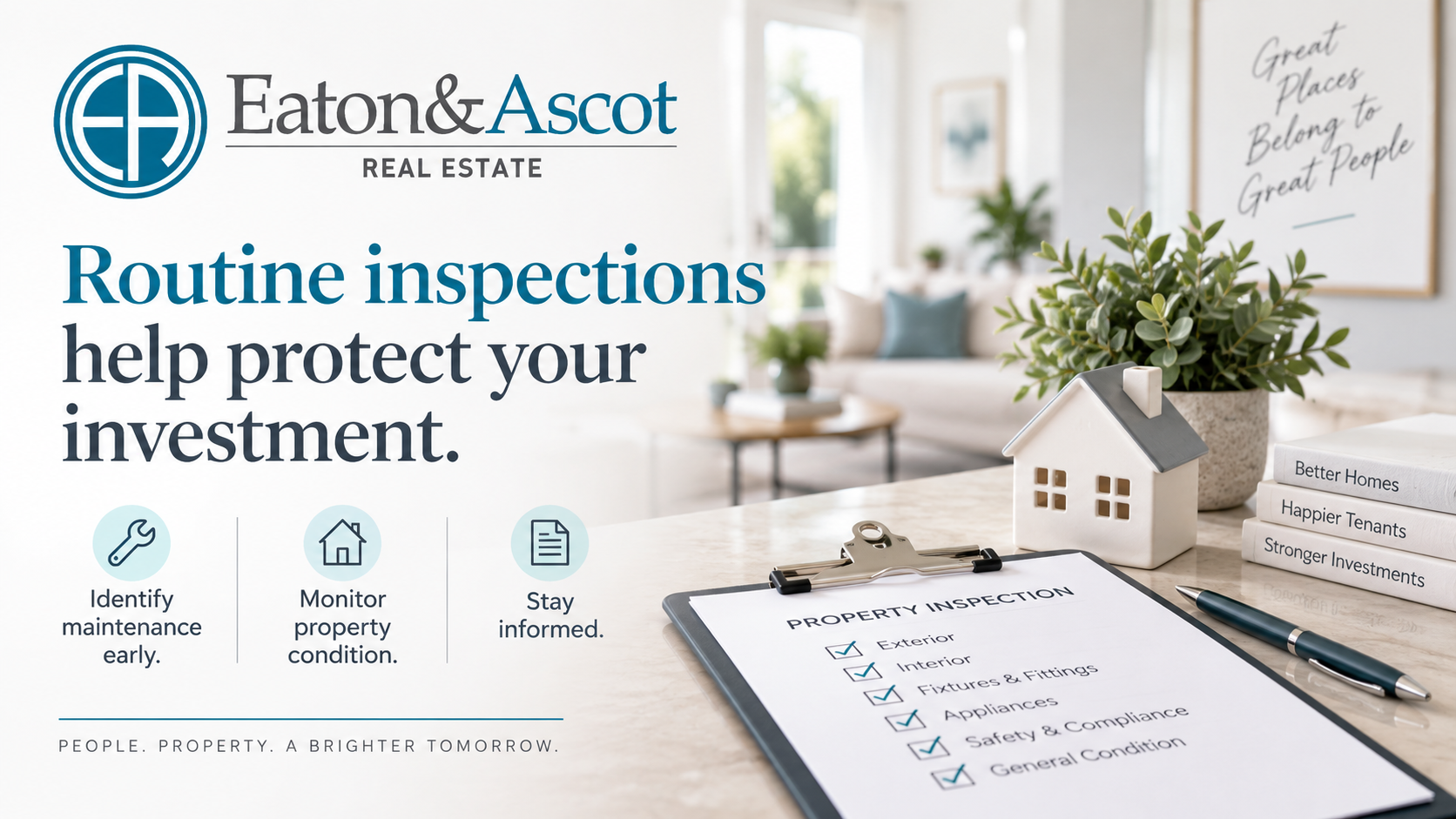
Routine inspections are one of the most important parts of effective property management.
For landlords, they provide a valuable opportunity to stay informed about the condition of an investment property throughout a tenancy. For tenants, they help ensure maintenance issues are identified and the property continues to be managed appropriately.
When carried out properly, routine inspections are not about finding fault. They are about protecting the property, identifying problems early and keeping communication clear between the landlord, tenant and property manager.
For investment property owners across the Moreton Bay Region and Brisbane’s northside, regular inspections can play an important role in protecting the long-term condition and performance of a rental property.
What Is a Routine Property Inspection?
A routine inspection is a scheduled inspection of a rental property during a tenancy.
The purpose is to assess the general condition of the property, identify maintenance concerns and provide the landlord with an update on how the property is being cared for.
A property manager may review areas such as:
- General cleanliness and condition
- Walls, floors and ceilings
- Kitchens and bathrooms
- Fixtures and fittings
- Outdoor areas
- Visible signs of damage
- Maintenance concerns
- Areas that may require further attention
The inspection provides a snapshot of the property at that point in time and helps landlords remain informed without needing to manage the tenancy themselves.
Why Are Routine Inspections Important?
A rental property can change significantly over the course of a tenancy.
Without regular inspections, some issues may go unnoticed for months.
Routine inspections help landlords and property managers identify concerns earlier and take action before small problems become bigger ones.
They also provide ongoing visibility into the condition of the investment.
1. They Help Protect Your Investment Property
Your rental property is a significant financial asset.
Routine inspections help monitor the condition of that asset throughout the tenancy.
A property manager can identify whether the property is generally being maintained appropriately and whether there are areas that may require attention.
This gives landlords a better understanding of what is happening inside the property rather than only seeing it when a tenant eventually moves out.
Regular inspections form part of a proactive property management strategy focused on protecting the property over the long term.
2. Small Maintenance Issues Can Be Identified Early
One of the biggest benefits of routine inspections is early maintenance detection.
A small issue may not seem significant at first, but left unattended, it can sometimes develop into a much larger and more expensive problem.
Examples may include:
- Minor leaks
- Water staining
- Damaged seals
- Cracked fixtures
- Wear around doors or windows
- Outdoor drainage concerns
- Signs of moisture
- General wear requiring attention
Identifying these issues earlier can give landlords more opportunity to arrange repairs before further damage occurs.
Preventative maintenance can often be much easier to manage than emergency repairs.
3. Landlords Stay Informed
Many landlords do not live close to their rental property, and some may rarely see it in person.
Routine inspection reports help bridge that gap.
A good property manager should provide clear information about the condition of the property and highlight anything requiring the landlord’s attention.
Depending on the agency’s reporting process, this may include written comments, photographs and maintenance recommendations.
For landlords, this provides greater visibility and peace of mind.
4. They Help Maintain the Property’s Long-Term Value
Well-maintained properties are generally easier to manage over time.
Routine inspections allow landlords to take a more proactive approach to property maintenance rather than waiting until a major problem appears.
Maintaining the condition of a property can also help support:
- Tenant satisfaction
- Property presentation
- Future leasing
- Reduced deterioration
- Long-term asset protection
Property management is not only about collecting rent today. It is also about looking after the property for the years ahead.
5. They Create an Opportunity to Review General Wear and Tear
Every rental property experiences normal wear and tear.
Routine inspections allow property managers to observe how different areas of the property are holding up over time.
This can help landlords plan ahead for future maintenance or improvements.
For example, an inspection may reveal that flooring is beginning to wear, paintwork will eventually need refreshing or an outdoor area may require attention.
These may not require immediate action, but knowing about them helps landlords budget and plan more effectively.
6. Routine Inspections Can Improve Communication
Good property management depends heavily on communication.
Inspections provide another opportunity for tenants to raise maintenance concerns and for property managers to identify matters that may not have been reported previously.
This can help prevent situations where a tenant assumes a landlord knows about an issue when it has never actually been reported.
Clear communication can make it easier to resolve problems and maintain a positive tenancy.
7. They Can Support Better Tenant Relationships
Routine inspections do not need to feel adversarial.
When handled professionally and respectfully, they are a normal part of managing a rental property.
A responsive property manager who listens to tenant concerns and follows up on necessary maintenance can help create a better rental experience.
Tenants are more likely to feel valued when maintenance concerns are taken seriously and communication is clear.
That can also support stronger tenant retention over time.

8. They Help Property Managers Spot Changes
A good property manager becomes familiar with the property over time.
This makes it easier to notice changes between inspections.
For example, a manager may identify:
- New damage
- Changes in property condition
- Maintenance issues that have worsened
- Areas requiring follow-up
- Improvements after previous repairs
This continuity is one reason consistent property management can be valuable.
What Should a Routine Inspection Report Include?
A useful routine inspection report should give the landlord a clear picture of the property.
Depending on the property and management process, it may include:
- General condition of each area
- Photos
- Maintenance items
- Notes about outdoor areas
- Follow-up recommendations
- Issues requiring landlord approval
- Items requiring monitoring
The report should be clear enough that the landlord understands what is happening without needing to inspect the property personally.
What Happens If Maintenance Is Identified?
If a routine inspection identifies a repair or maintenance issue, the next step is usually to assess what action is needed.
A proactive property manager should communicate with the landlord and explain the issue clearly.
Depending on the situation, this may involve:
- Obtaining a quote
- Arranging a contractor
- Seeking landlord approval
- Following up after the work is completed
- Monitoring the issue at the next inspection
Good maintenance management does not stop at identifying the problem. It also involves making sure the issue is appropriately followed through.
Routine Inspections Are About Prevention, Not Just Detection
It is easy to think of inspections as simply checking whether everything looks okay.
But their real value is often preventative.
Routine inspections can help identify emerging issues before they become expensive repairs, support better planning and keep landlords informed throughout the tenancy.
That proactive approach can make property ownership easier and less stressful.
How Routine Inspections Fit Into Good Property Management
Routine inspections are only one part of professional property management.
They work best when combined with:
- Careful tenant selection
- Clear communication
- Responsive maintenance
- Rent monitoring
- Lease management
- Appropriate rent reviews
- Local market knowledge
Together, these services help landlords manage their investment more effectively.
Looking for Property Management in the Moreton Bay Region?
At Eaton & Ascot Real Estate, we provide personalised property management across Brisbane’s northside and the Moreton Bay Region.
Our approach focuses on proactive management, clear communication and keeping landlords informed about the condition of their investment property.
Routine inspections are an important part of that process, helping identify maintenance early and giving property owners greater visibility throughout the tenancy.
Whether you are preparing to rent out a property, already own an investment property or are considering changing property managers, we would be happy to discuss how we can help.
Contact Eaton & Ascot Real Estate to learn more about property management in the Moreton Bay Region.